Meditating and Writing

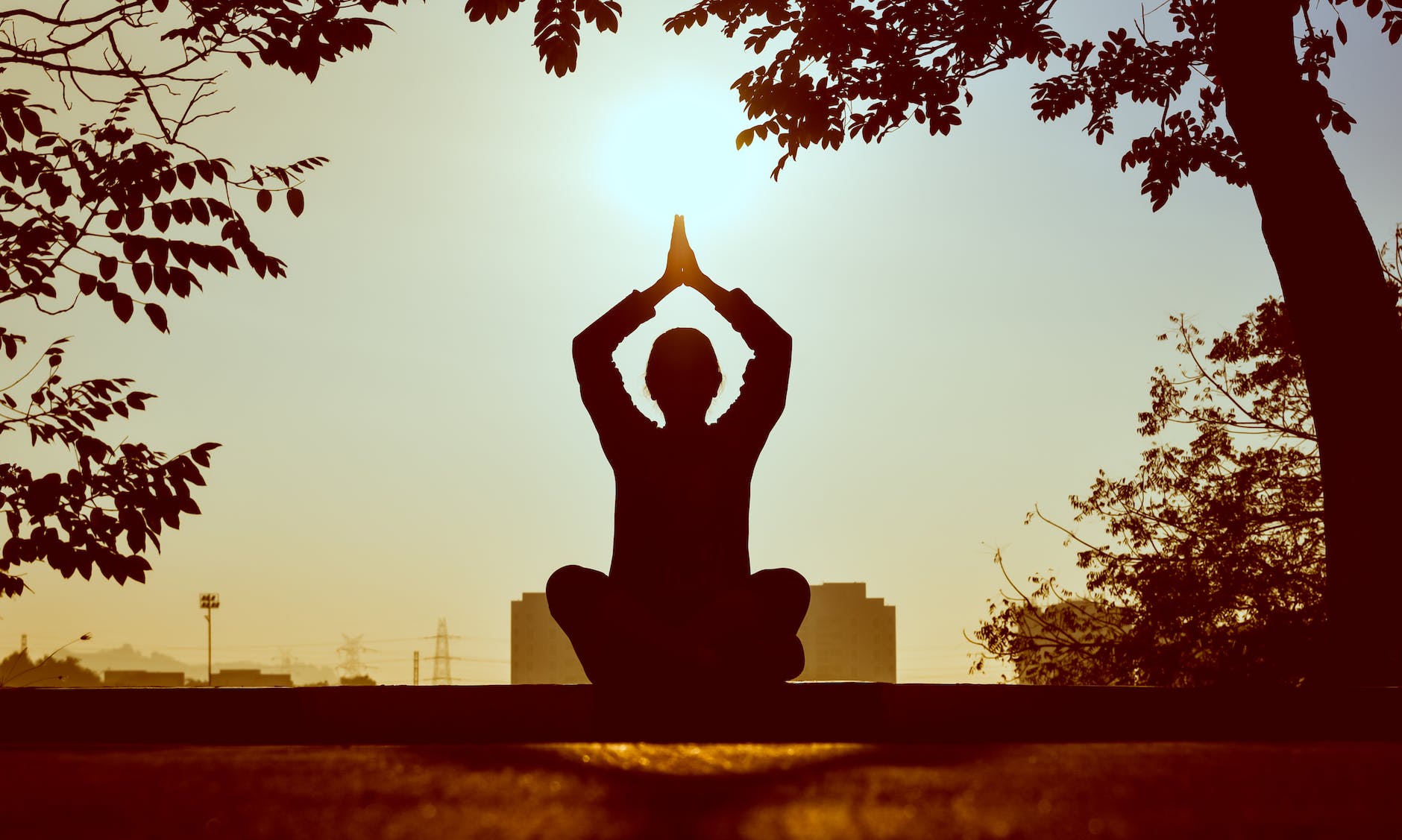
Photo by Prasanth Inturi on Pexels.com

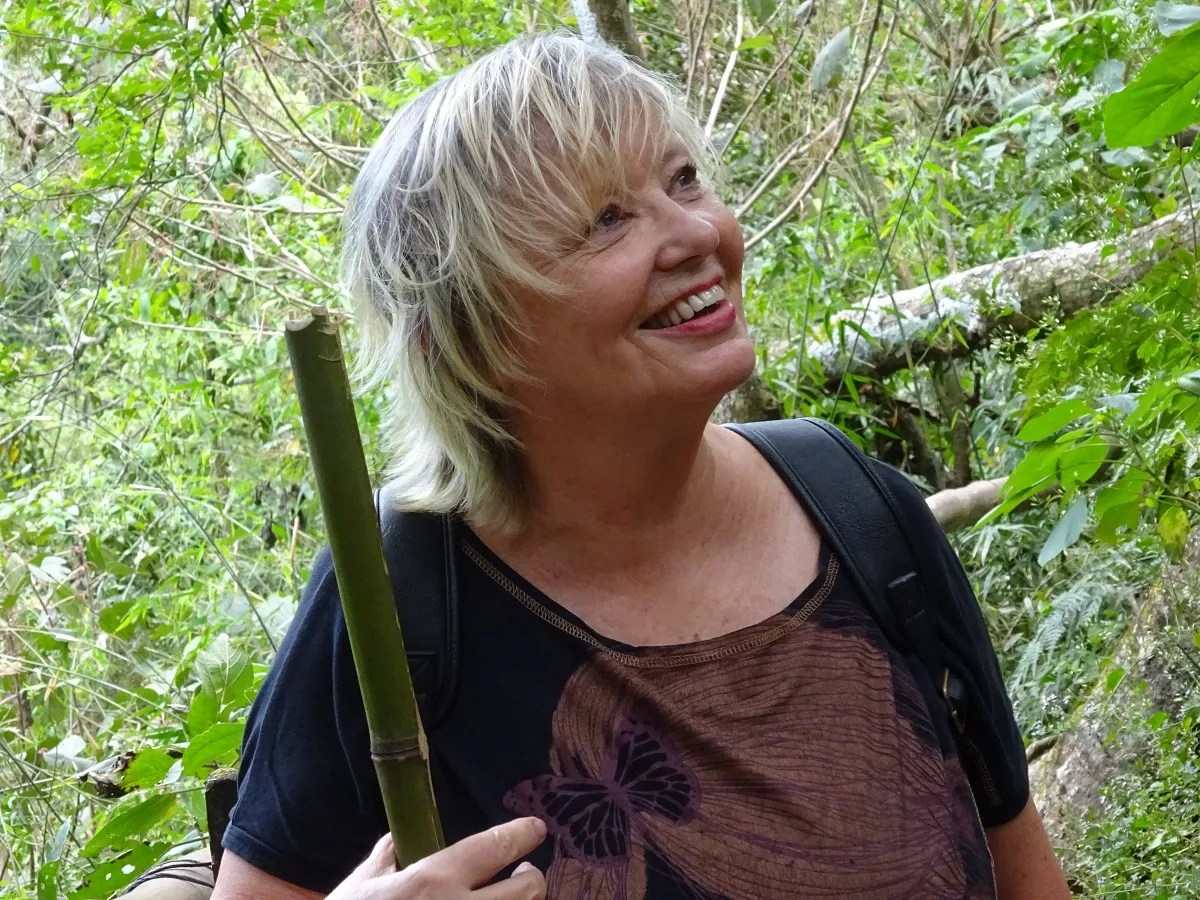
Many writers are also meditators. Some even write about the relationship between writing and mediation. I am a meditator and a writer. I meditate in the morning and write in the morning. I also practice yoga. To me, these are all intertwined.

The U.S. alone has an estimated 36 million yoga practitioners. It has adapted to local socio-political and cultural norms world over so much so that it can hardly be called an Indian custom. Yoga originated in India. The system of yoga has physical, mental, and emotional dimensions in addition to spiritual underpinnings. But yoga is not a religion. It has no dogma. But the practice for me is essential to my writing and brings me to a place where I can write truth.

Meditation helps improve focus. Something essential for the good writer. I began meditating years ago with a meditation method popular at that time, Transcendental Meditation. Maharishi Mahesh Yogi developed this mantric method of meditation in the 50’s in India, and it spread widely throughout the world. For me, it was a good place to learn the technique, but my meditation practice evolved when I combined meditation with yoga, especially Kundalini. Kundalini is a spiritual energy or life force located at the base of the spine, conceptualized as a coiled serpent. It didn’t matter which type of meditation I was using, as long as it focused my mind and enabled me to write from that place.

Meditation provides a safe space to be. Meditation slows the world down to make room for creative thought and exploration. It’s an ideal practice for the writer or artist. I meditated every day when I worked on my latest manuscript, Dread and Splendor: Paintings and Poems for a New Earth.

Have you had experiences with writing and meditation?

I will be taking a hiatus for March, as I travel through Costa Rica. Look for me again in April.
Enjoying the Process, As Well as the Product

Photo by Porapak Apichodilok on Pexels.com

“What keeps life fascinating is the constant creativity of the soul.” —Deepak Chopra

In the pursuit of success, we often focus on the end result. In so doing, we neglect interest in the journey because we want to get there as soon as possible or we lose the desire to even reach the destination.

Many artists focus on the final product, but the secret is in enjoying the process of creation

The process itself is a reward. The creative journey should interest you far more than reaching the destination. I am currently working on a manuscript, Dread and Splendor: Paintings and Poems for a New Earth, with the Norwegian artist, Irene Christensen.

We forget forget to enjoy the journey, and in effect, we lose our desire to even reach the destination.Sylvia Plath said, “The worst enemy to creativity is self-doubt.

Creativity holds great significance when it comes to connecting with our soul or authentic self.

By tuning into that creative fire that burns within, we can connect more powerfully with the soul. For some people, creativity can even be more affective at this than meditation.

When we make room for creativity in our lives and activate our creative muscles, it can be transformative. It can strengthen our intuition, release stagnant energy, and align with our larger project, like writing a book or composing a song.

I will be blogging on Thursdays. Follow me here for the journey of the manuscript, Dread and Splendor: Paintings and Poems for a New Earth.

Publication in Pineapple

Photo by Pineapple Supply Co. on Pexels.com

I am delighted to have my poem “Toast in Costa Rica”

published in Pineapple, the online literary zine of

The Gallery of Readers. Take a look:

You can also subscribe to Pineapple by just listing your email with them here:

https://galleryofreaders.org/category/pineapple-zine/

Or you can visit the Gallery of Readers Press, a small, excellent publisher, and see its amazing list of books:

Gallery of Readers

I’ll be blogging on Thursdays. Follow me here.

Moonlit Sea Gallery Sponsors Ekphrastic Reading September 14 at Easthampton Art Walk

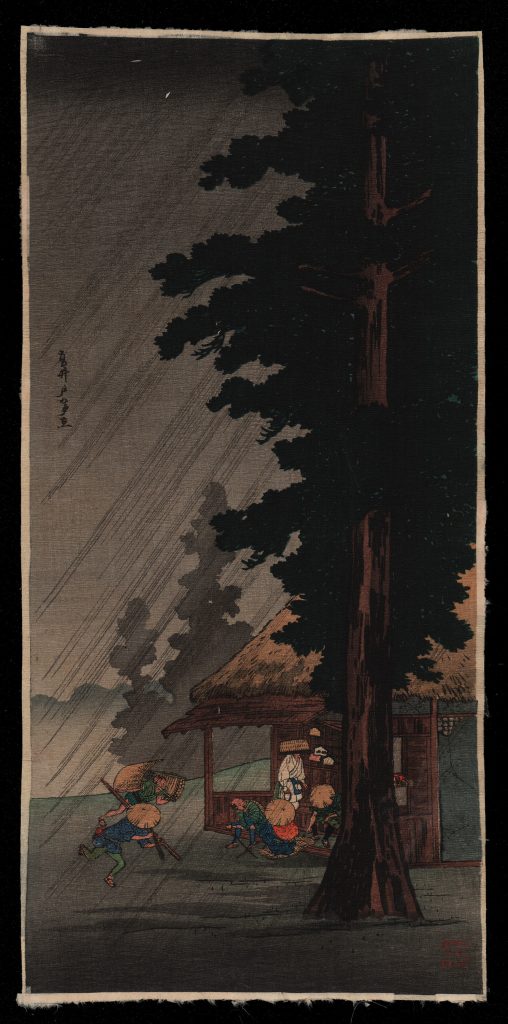
The Easthampton Art Walk will feature works by several galleries, but Moonlit Sea Prints in Eastworks will sponsor a reading in conjunction with their Japanese Woodblock Print Show “Stories With Shotei.”

Hiroaki Takahashi Shotei was a Japanese woodblock print artist of the early 20th century in the shin-hanga art movement whose work generally focused around beautiful landscapes and scenes of everyday life. Many of his works are beautiful vignettes, many easily leading the viewer to imagine the stories transpiring within the images. Moonlit Sea Prints of Easthampton MA will be presenting this exhibit, “Stories with Shotei,” showcasing the works of Hiroaki Takahashi Shotei paired with short stories.

I will be reading a poem about a Shotei print, “Coming Ships,” along with many other poets, like Jennifer Delozier. The reading will take place at 5 pm on Thursday, September 14 at Eastworks, Moonlit Sea Prints Gallery at 116 Pleasant Street, Suite #226. It’s on the second floor, and there will be a flag signaling the gallery in the hallway.

The show will continue for a two-month period at Moonlit Sea Prints Gallery. I will continue to blog on Thursdays. If you have any readings coming up, let me know. I’ll blog them here.

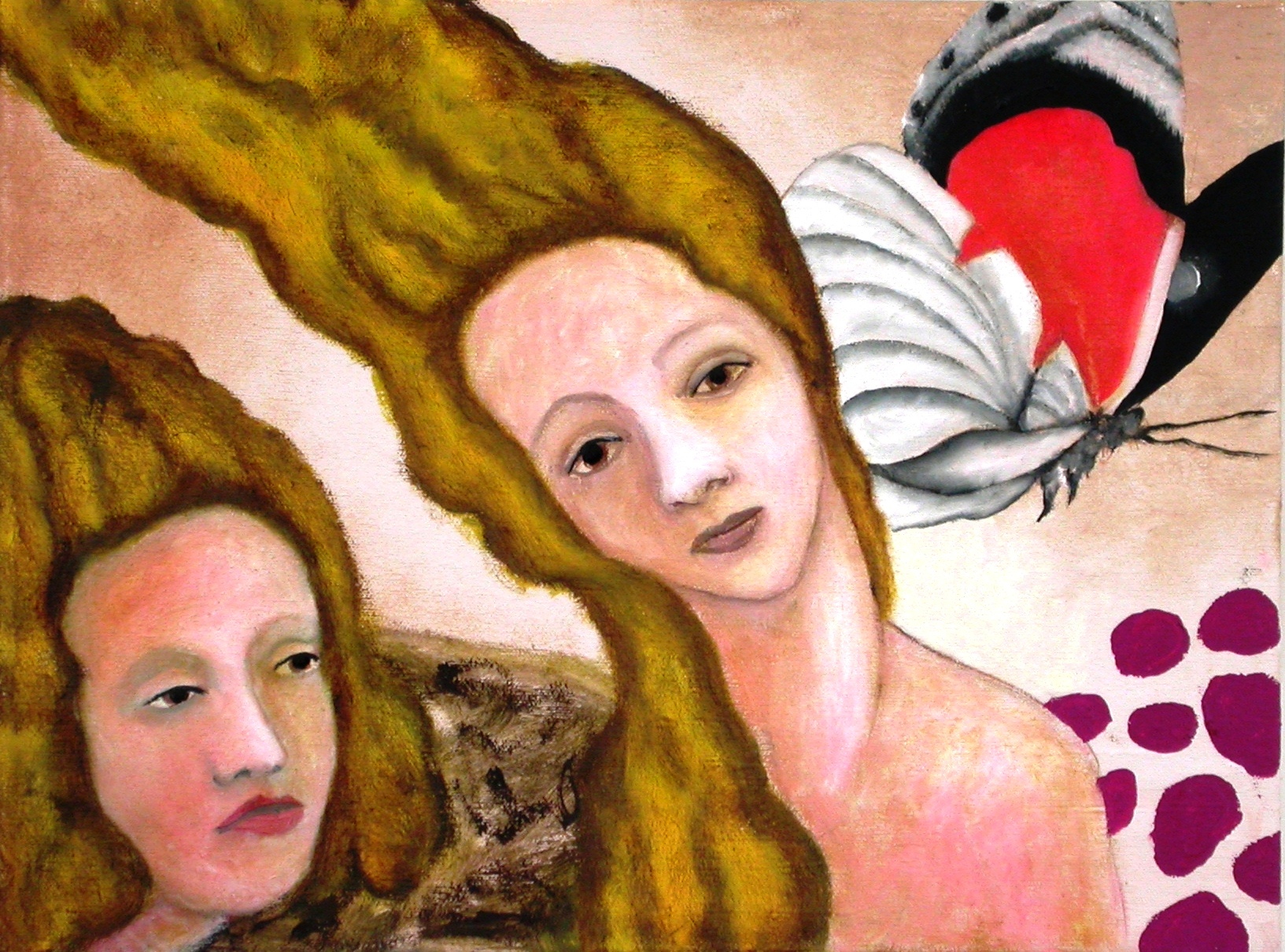
I’m Grateful to Starry Starry Kite for Publishing My Poem in Response to Daydreams by Irene Christensen

Daydreams

Two enigmatic women,

their Botticelli beauty

looms undeniable.

Like the butterfly

they long to glide away,

their earth in tatters.

Floating between blood

and a wrathful world naked,

they envision peace.

About the Poet

Eileen P. Kennedy is the author of two collections of poetry: Banshees (Flutter Press, 2015), which was nominated for a Pushcart Prize and won Second Prize in Poetry from the Wordwrite Book Awards, and Touch My Head Softly (Finishing Line Press, 2021) which Literary Titan has described asemotionally-charged poetry that explores life with observant poems that will appeal to anyone who loves inspired poetry.” It was a finalist for the International Book Awards in General Poetry. She lives in Amherst, MA with the ghost of Emily Dickinson. More at www.EileenPKennedy.com.

About the Artist

Irene Christensen’s art is about painting as a magical act. Her images repeat and are transformed, as words and images in poems. She likes to maintain a sense of wonder in her art. That life is strange and quirky, and contradictory, that tragedy and comedy are not played out in separate theaters, but co-exist, side by side. More at ireneartster.wordpress.com

Check out “Daydreams” and two other paintings and poems by Irene and myself at Starry Starry Kite:

https://www.lindacastronovo.com/theonlinejournal

See my interview with the editor here:

I’m Grateful to Starry Starry Kite for Publishing Three of my Ekphrastic Poems that Responded to Three Paintings by Irene Christensen. Here’s One:

I Feel Close to Nature Too

I feel close to nature too

earth moves in the hot sky

green leaves grow my hair

mountains erupt my skin

when you step on me I cry

I feel close to nature too

my eyes wash blue seashells 

my face erodes sand from the shore

ground has no home for living

suffocating in a polluted candy corn sky 

I feel close to nature too

writhing, dying in the heat

a red leaf dragon swallows

the trees growing in the night forest

I must preserve the charging planet beast

I feel close to nature too

About the Poet

Eileen P. Kennedy is the author of two collections of poetry: Banshees (Flutter Press, 2015), which was nominated for a Pushcart Prize and won Second Prize in Poetry from the Wordwrite Book Awards, and Touch My Head Softly (Finishing Line Press, 2021) which Literary Titan has described as “emotionally-charged poetry that explores life with observant poems that will appeal to anyone who loves inspired poetry.” It was a finalist for the International Book Awards in General Poetry. She lives in Amherst, MA with the ghost of Emily Dickinson. More at www.EileenPKennedy.om

About the Artist

Irene Christensen’s art is about painting as a magical act. Her images repeat and are transformed, as words and images in poems. She likes to maintain a sense of wonder in her art. That life is strange and quirky, and contradictory, that tragedy and comedy are not played out in separate theaters, but co-exist, side by side. More at ireneartster.wordpress.com

Check out the poems on Starry Starry Kite https://www.lindacastronovo.com/theonlinejournal

Meditation and Writing

Photo by Andrea Piacquadio on Pexels.com

Many writers are also meditators. Some even write about the relationship between writing and mediation. I am a meditator and a writer. I meditate in the morning and write in the morning. I also practice yoga. To me, these are all intertwin

The U.S. alone has an estimated 36 million yoga practitioners. It has adapted to local socio-political and cultural norms world over so much so that it can hardly be called an Indian custom. Yoga originated in India. The system of yoga has physical, mental, and emotional dimensions in addition to spiritual underpinnings. But yoga is not a religion. It has no dogma. But the practice for me is essential to my writing and brings me to a place where I can write truth.

Meditation helps improve focus. Something essential for the good writer. I began meditating years ago with a meditation method popular at that time, Transcendental Meditation. Maharishi Mahesh Yogi developed this mantric method of meditation in the 50’s in India, and it spread widely throughout the world. For me, it was a good place to learn the technique, but my meditation practice evolved when I combined meditation with yoga, especially Kundalini. Kundalini is a spiritual energy or life force located at the base of the spine, conceptualized as a coiled serpent. It didn’t matter which type of meditation I was using, as long as it focused my mind and enabled me to write from that place.

Meditation provides a safe space to be. Meditation slows the world down to make room for creative thought and exploration. It’s an ideal practice for the writer or artist.

Have you had experiences with writing and meditation?

I will be blogging on Thursdays. Follow me at http://www.EileenPKennedy.com.

Book Titles

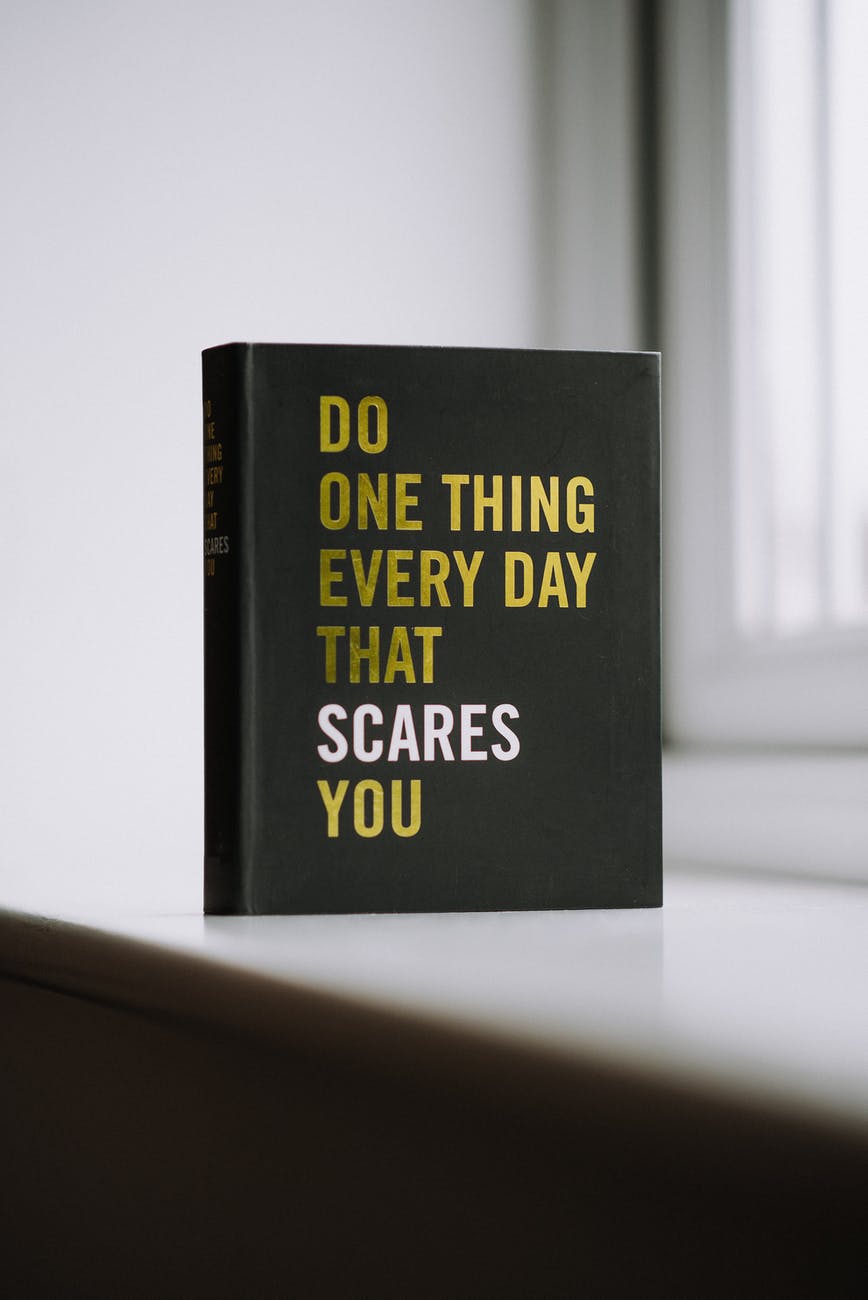
I am terrible at titles. I’ve published three books and each one wound up with a different title than I proposed.

Photo by Anete Lusina on Pexels.com

And I’ve published two poetry collections. Each poem,aside from an occasional haiku, has its own title. Here are some things I’ve learned about titling:

  1. A book title should be memorable. It’s the one thing that will lead people back to the book.
  2. A book title should be short. Shorter is generally better than longer. My first collection of poetry was one word: Banshees: Poems. It was one word, but let people know it was a poetry collection.
  3. A book title should provide information about the book. For my poetry book titles, I list the title and then poems, so that people will know it’s a poetry collection. The textbook I published had a very informative title: Ready to Use Lessons and Activities for the Primary Inclusive Classroom. This is neither short nor particularly memorable, but people knew exactly what it was. This is important with nonfiction. My editor convinced me of this and I think she was right.
  4. A title should set a mood. My second collection of poetry was on a hard subject: Alzheimer’s Disease. I wrote it about my experiences with my partner who died of this dread disease. I called the collection Touch My Head Softly. This gave a softer feel to this difficult topic. Check out this book, my latest, at:

    https://www.finishinglinepress.com/product/touch-my-head-softly-by-eileen-kennedy/