As a teacher, I relied on Bloom’s Taxonomy as a model.
As a career educator, I often used Bloom’s Taxonomy. I taught little ones on the elementary school level, and then college students. I always encouraged my students to approach study using this six-step process.
The model was named for Benjamin Bloom, who first came up with it. Here are its six levels:
- Knowledge
- Comprehension
- Application
- Analysus
- Synthesis
- Evaluation
So how do you use Bloom’s Taxonomy to enhance your writing process? I think Bloom’s Taxonomy can be applied to writing. You may come across an idea for your writing and research the topic and comprehend it. Then you can apply it in your writing. In the analysis phase you break down complex ideas about what you’re writing. In the synthesis part you combine the ideas you have generated in the process and make it original, or your own.
In evaluation, you make judgments about the value of what you have created and decide if it is something you want to pursue. As writers, we have all written things we don’t think work, but even if you don’t come out with something good after this process, it’s bound to lead to something worth using later. It’s an exercise in how to get through the writing process, even if it’s not working. Nothing is ever wasted in the creative process.
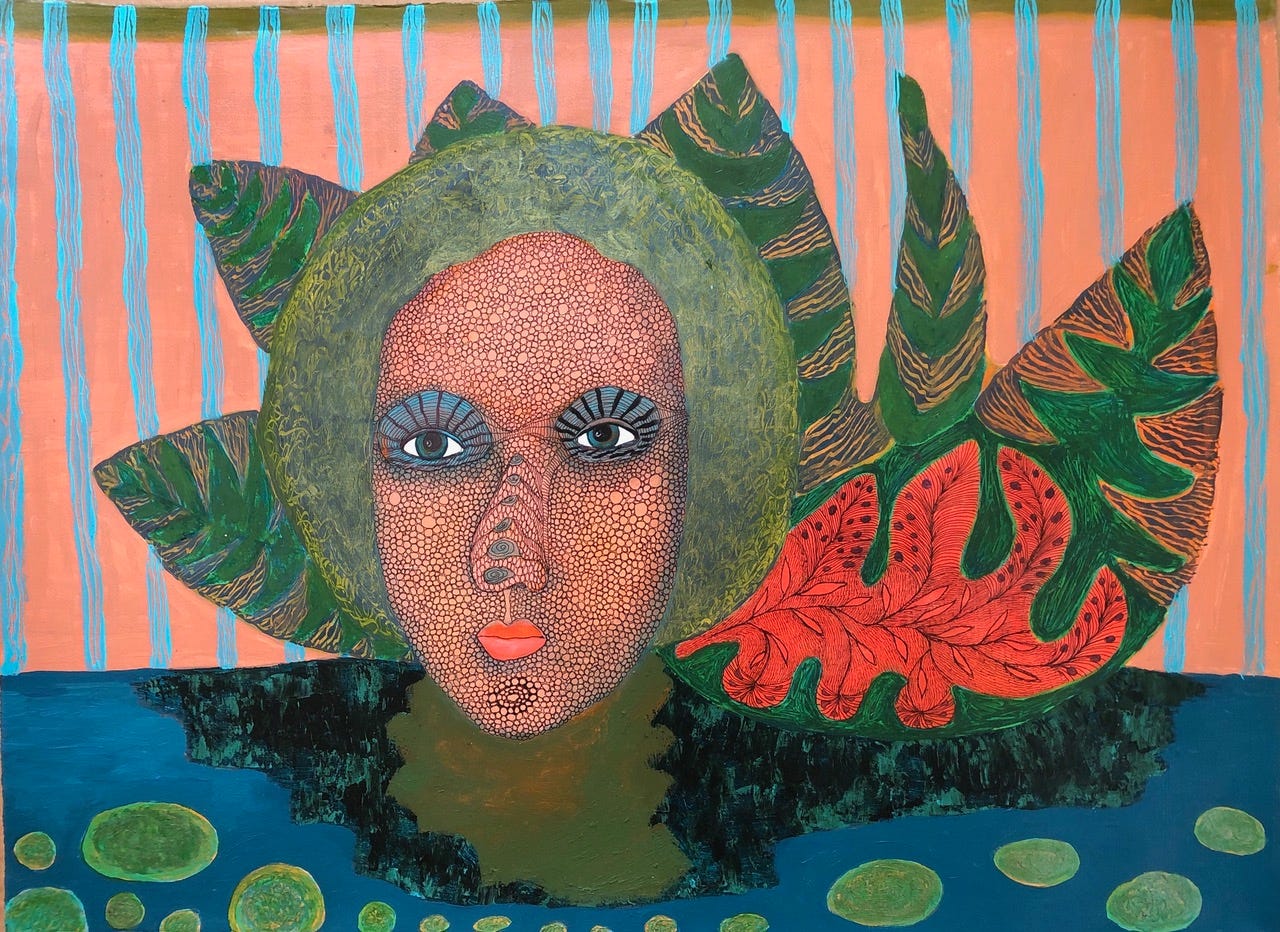
I started writing an eco-poetry manuscript on my own as I feel passionately about climate justice. Then I met the Norwegian artist, Irene Christensen, and saw some of her paintings about women at the heart of the environmental movement, and decided to collaborate with her. We came up with a 60-page manuscript of ekphrastic poems and paintings called Dread and Splendor: Paintings and Poems for a New Planet. It is currently out being considered by several publishers.
I will be blogging on Thursdays. Follow me here for blogs about the writing/publishing process and the progress of my new manuscript.






 Eileen P. Kennedy Author