Around this time last Spring, I was looking at signs of renewal and planting herbs and vegetables at my New England home.
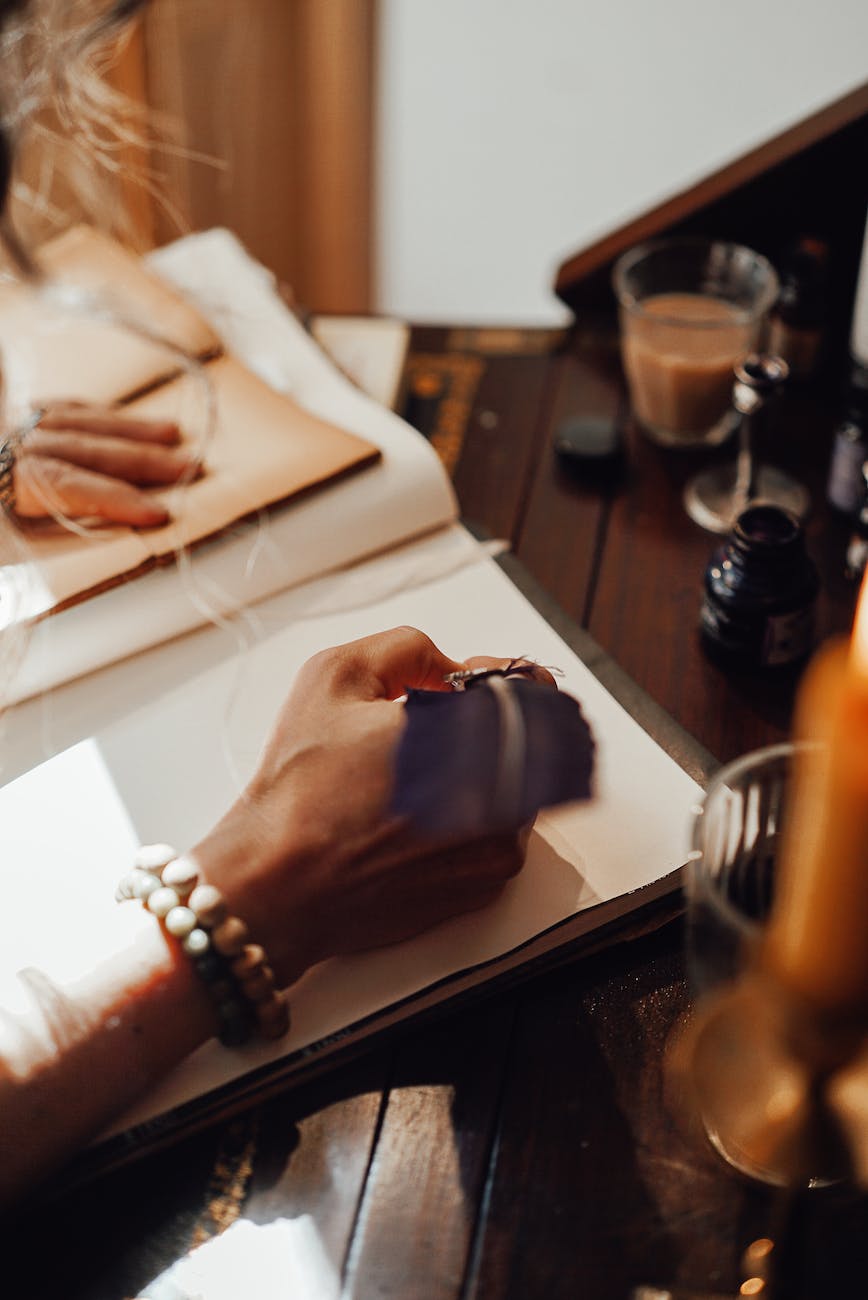
This renewal follows me into my writing study where I sit at a big desk. The steadiness of the land and muted tones of the spring exude a calmness. I am ready to sit down and write.
I spent this winter, and many past winters, in different parts of Central America: Costa Rica, Cuba, Nicaragua, Mexico and Panama. This is a type of infusion of new experiences, different language, cultures, and places. The sun is bright and the colors are bold. In Costa Rica, I have a big porch that faces the mountains and I write outside.
So this Spring I strive to combine both my worlds, the stimulation of the sights and colors of Central America, with the slow, steady unfurling of Spring in the Northeast. It’s good to add new experiences to the consistency of my writing process. How do you stimulate your writing process?
I will be writing on Thursdays and posting literary events on that day. Follow me here at WordPress.
Many writers are also meditators. Some even write about the relationship between writing and mediation. I am a meditator and a writer. I meditate in the morning and write in the morning. I also practice yoga. To me, these are all intertwin
The U.S. alone has an estimated 36 million yoga practitioners. It has adapted to local socio-political and cultural norms world over so much so that it can hardly be called an Indian custom. Yoga originated in India. The system of yoga has physical, mental, and emotional dimensions in addition to spiritual underpinnings. But yoga is not a religion. It has no dogma. But the practice for me is essential to my writing and brings me to a place where I can write truth.
Meditation helps improve focus. Something essential for the good writer. I began meditating years ago with a meditation method popular at that time, Transcendental Meditation. Maharishi Mahesh Yogi developed this mantric method of meditation in the 50’s in India, and it spread widely throughout the world. For me, it was a good place to learn the technique, but my meditation practice evolved when I combined meditation with yoga, especially Kundalini. Kundalini is a spiritual energy or life force located at the base of the spine, conceptualized as a coiled serpent. It didn’t matter which type of meditation I was using, as long as it focused my mind and enabled me to write from that place.
Meditation provides a safe space to be. Meditation slows the world down to make room for creative thought and exploration. It’s an ideal practice for the writer or artist.
Have you had experiences with writing and meditation?
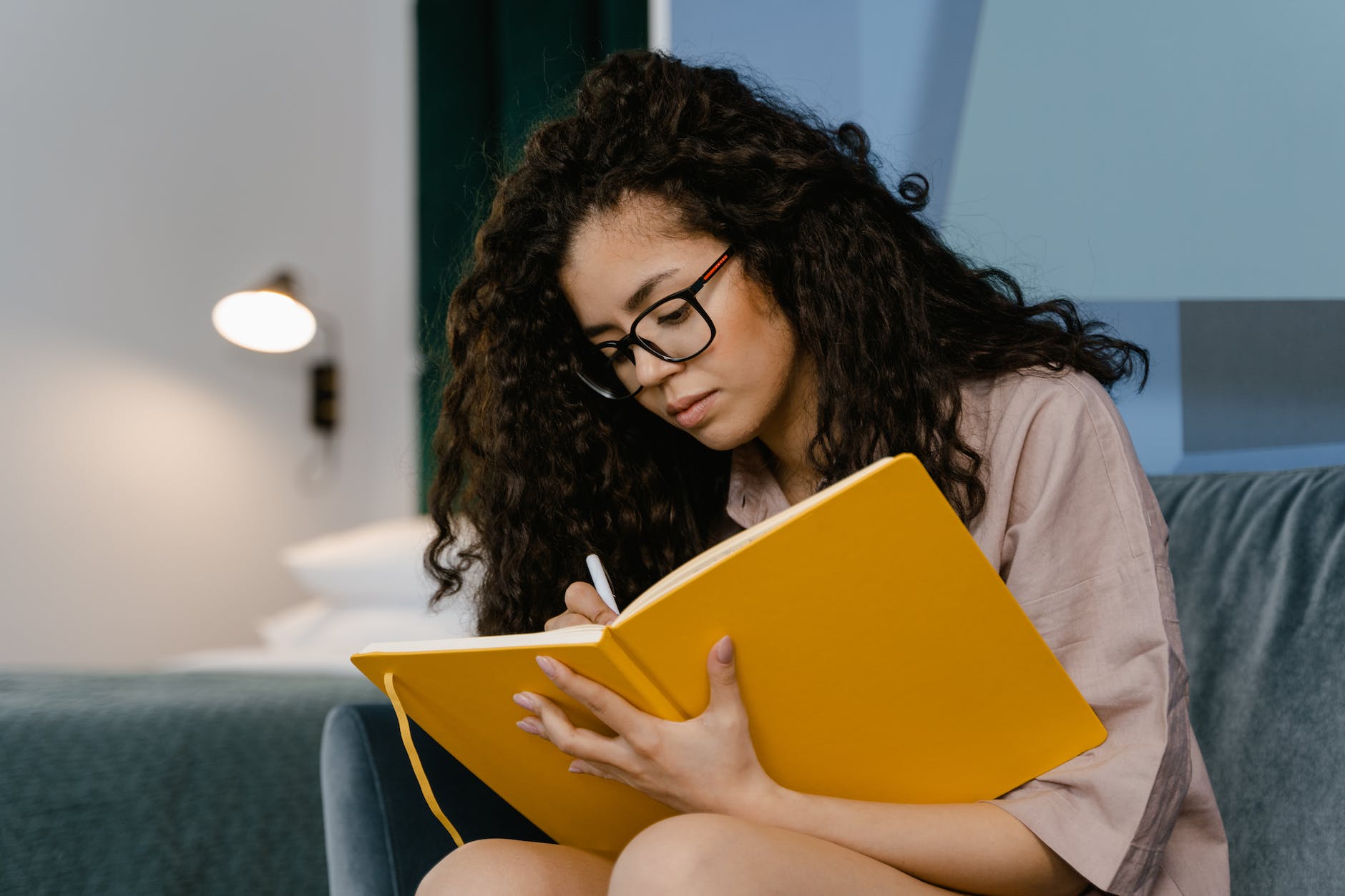
Journal writing is a good exercise for writers. Journaling can spark new ideas, or just jog your memory to remember something later you wanted to write about.
Journaling can also help you overcome writer’s block. If you’ve been intensely working on a particular project and get stuck, journaling is another way to channel your writing. I sometimes use my blog as a journal, or I journal on my iPhone, which is always handy when paper and pen are not.
In addition to being a good starting point for a writer, journaling has other benefits.
“Journaling can be a great pressure releasing valve when we feel overwhelmed or simply have a lot going on internally,” says Amy Hoyt, PhD, founder of Mending Trauma.
A 2018 research study suggests that writing about your deepest thoughts and feelings may contribute to:
fewer stress-related doctor visits
lower blood pressure
improved mood
greater well-being
Journaling can make you more self-aware. You can see where your strengths and weaknesses lie by keeping track of your writing. You’ll be able to identify how well you respond to criticism. Also, it will make you aware of your own process. Do you write better in solitude or under group pressure? Do certain words or phrases come harder to you than others? Become aware of your work habits to improve your skills and discover new ones.
Some people like to use a paper and pencil journal. In that case, the size of your journal matters. If it’s too big, you probably won’t take it everywhere. And you need to have it with you for that unexpected thought or idea. Choose a medium-sized journal that will give you room to write what you want, but not too big to fit comfortably in your bag or backpack.Your journal should be with you all day and every day, so choose one with a sturdy cover that will last.
Try journaling in any notebook you have around, and if you think it works for you, then invest in a good journal that has all the characteristics described.
I’ll be blogging on Thursdays about the writing process or about upcoming readings or books, so follow me here.
“Don’t tell me the moon is shining; show me the glint of light on broken glass.” – Anton Chekhov
To vividly describing a place, person, or thing is to imagine it in your mind’s eye. If it exists you may prefer to look at it or a photograph. Either way, you’ll start with some scene before you without dividing it into objects or attaching any words to it. Just form an impression of the colors, textures, shapes, and feeling.
Most importantly, refrain from your impulse to name them. Just picture and observe.
Then, be careful to select the right words to convey the place. If the words that come to mind don’t seem adequate, look in a dictionary, ask around, or do some research. Be sure to keep searching until you have the closest match possible between observation and language. While it’s okay to stop short of perfection, since words and thought inevitably fail to capture perception, keep revising until you can’t think of any way to improve your description further.
Instead of allowing the meaning you want to express to decide the words, you can be seduced by alliteration, rhythm and other sonic features, or fail to escape from customary phrasing, and allow language itself to decide what it is you want to say. This is for description in fiction or nonfiction. Poetry, of course, calls out for those sonic features.
In this way your description will serve you well in your writing.
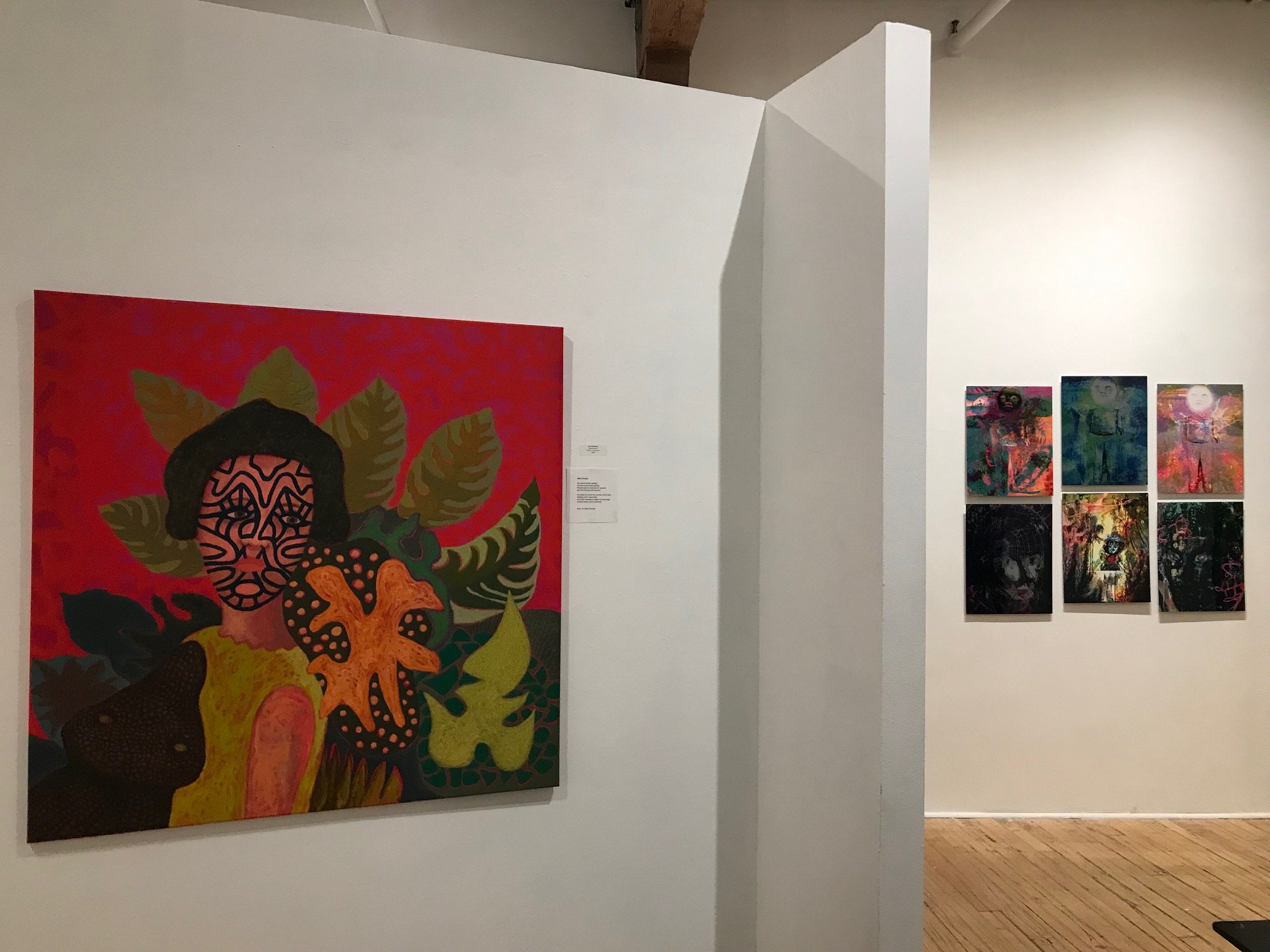
The Art Exhibit “Allusions,” with Opening Reception today, will feature Norwegian artist, Irene Christensen’s paintings, “Metamorphosis,” and “Maori Woman” with the poems of the same name by Eileen P. Kennedy.
Viridian is pleased to present an exhibit by artists who are part of Viridian Artists’ Affiliate Program including, in addition to Irene Christensen, Zoe Brown-Weissmann, Joshua Greenberg, Miho Hiranouchi, Vernita N’Cognita, Nancy Nice, Sarah Riley and Kathleen Shanahan.
“Allusions” is art filled with allusion to the artists’ and the viewer’s realities. Allusions are more real than illusions for they are an interpretation of reality…a hint of what it might be.
“Allusions” will run until February 25th. The Gallery is open Tuesday – Saturday from 12 to 6 pm and by appointment.
The gallery can be reached at 547 West 27th or 548 West 28th Street, Suite #632 New York, NY 10001 (212) 414-4040
Writers write in isolation mostly. Sometimes it’s in small groups or workshops, but mostly alone. Sometimes I wait until the last minute to write what I want? Why?
In the end, I try to listen to my inner voice that speaks my true thoughts that ultimately helps me cut through the nonsense that sometimes enters into my writing. Good writing comes from the true self.
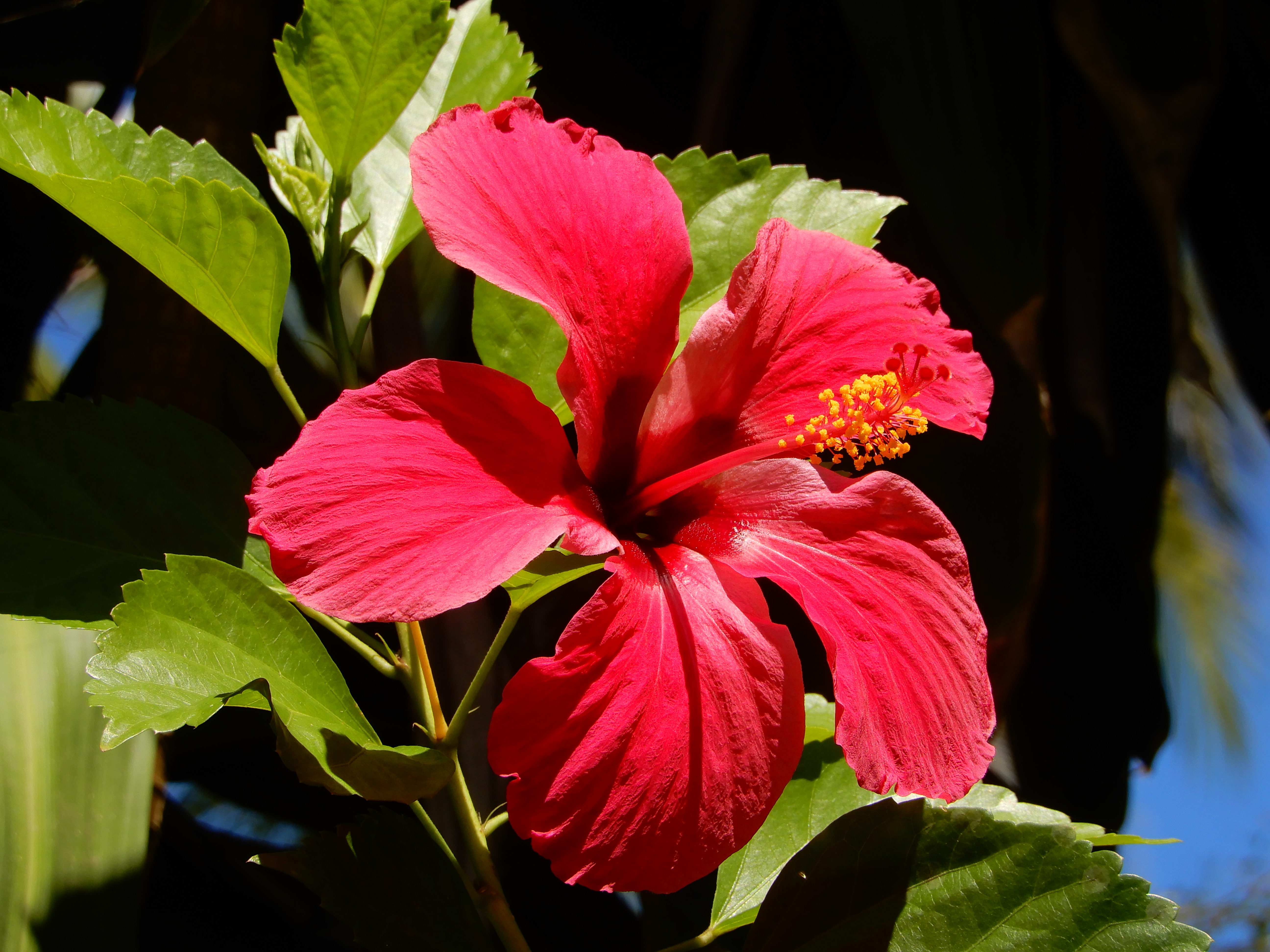
I am currently in Costa Rica, where I usually spend my winters. This is a Costa Rican flower that grows around where I live. I do the big push for my writing during this time. I’m currently working on a series of Ekphrastic Poems based on the work of Irene Christensen, a Norwegian artist, on Women and Nature.
I also read writers who I feel write from their inner selves. I’m currently reading Joy Harry’s “Catching the Light” about her inner process for developing poetry.
I use different methods to get in touch with my inner self. I meditate, move to a coffee shop or library, read a book of an author who is writing something similar to my project. Sometimes just sit quietly.
Join me in imagining and getting in touch with your inner self. Try writing from that one true voice.
I’ll continue to blog on Thursdays. If you’d like me to make an announcement for an upcoming reading, publication or award, get in touch with me here.
With all the problems in the world, many of us are involved, to survive, in self-preservation behaviors. Creative activity can be a part of self preservation.
Think of increased creative capacity as growth.We should take creative actions to improve our creative growth. If we write a poem in a new form we’ve never used before, that can read to creative growth, for instance.
People who are creative are happier, healthier, and less lonely. A published poem can lead to a reading, a painting to an exhibit, a song to a concert. All of these things put us, and our art, out into the world to see and be seen and to interact.
A creative ability is a skill to use our imagination to solve a problem. We may feel stuck with a problem, but if we read up on how other people have solved this, or ask a friend how they solved this, we are using creativity to problem-solve.
You don’t have to be an artist to exercise your creative ability. You can use this skill to fulfill dreams, problem solve, and improve communication skills.
I’ll be blogging on Thursdays. Follow me here on WordPress.
We live in unprecedented times. Pandemics, wildfires, hurricanes, floods, winter storms, political unrest, economic uncertainty and war are just some of the things we deal with daily. So why write through it?
Writing is important. As writers, we bear witness to what is going on in the world and write it down. It helps to put things into perspective and forms the basis of history. When we put our thoughts down on the page, it helps to give voice for those who may not be able to put it into words. It’s a comfort when we can form our feelings into writing that other people may read.
And when we write fantasy or fiction, we are allowing ourselves and others to get lost in escape. This is important in life also, especially when people are going through such massive upheavals. You can offer people relief though your literature.
Writers are sensitive to the world around them. This takes sympathy and empathy. Writers are empathetic to the suffering of others and can sometimes put this empathy into words and thus relieve the suffering. As writers, we have the gift of being able to put our feelings into words. Nelson Mandela said, “It always seems impossible until it’s done.”
I’ll be blogging on Thursdays. Follow me here on WordPress.
Join us for a book launch and author talk about how anyone can benefit from the Dreaming on the Page method whether you remember your dreams or not, and whether or not you consider yourself a writer. Bring a pen and prepare to be inspired!
“In Dreaming on the Page Tzivia Gover provides a powerful set of tools to unleash your creativity, enhance your writing, and inspire your life.” Naomi Epel, author of Writers Dreaming
“With a warm, sure hand, Tzivia Gover guides readers through her ‘Dreaming on the Page’ process, serving up engaging historical and personal anecdotes alongside concrete advice and helpful writing prompts and exercises. Accessible and unfailingly encouraging, Dreaming on the Page proves that dreaming and writing are for everyone—and that when you combine the two, the result can be truly magical.” Brooke Warner, Publisher of She Writes Press and author of Write On, Sisters!
Tzivia Gover is a certified dreamwork professional and the author of several books, including Dreaming on the Page, How to Sleep Tight Through the Night (with Lesléa Newman), and The Mindful Way to a Good Night’s Sleep, among others. Tzivia writes and dreams in western Massachusetts. Learn more at www.thirdhousemoon.com
The future belongs to those who believe in the beauty of their dreams.” ― Eleanor Roosevelt.
The future has not yet happened. We each have a role in what it will hold.
For artists and writers, it springs from the imagination.
The world is filled with chaos, fighting, greed. For those who are kind and generous, humane and creative, put your energy out there to shape good things. May we each play our part—with gladness and gratitude—for the unfolding of a blessed future.
I’ll be back in Costa Rica for the new year and will be blogging on from there on Thursdays. Follow me.