Listen:
https://maggiesmithwriter.com/podcast/

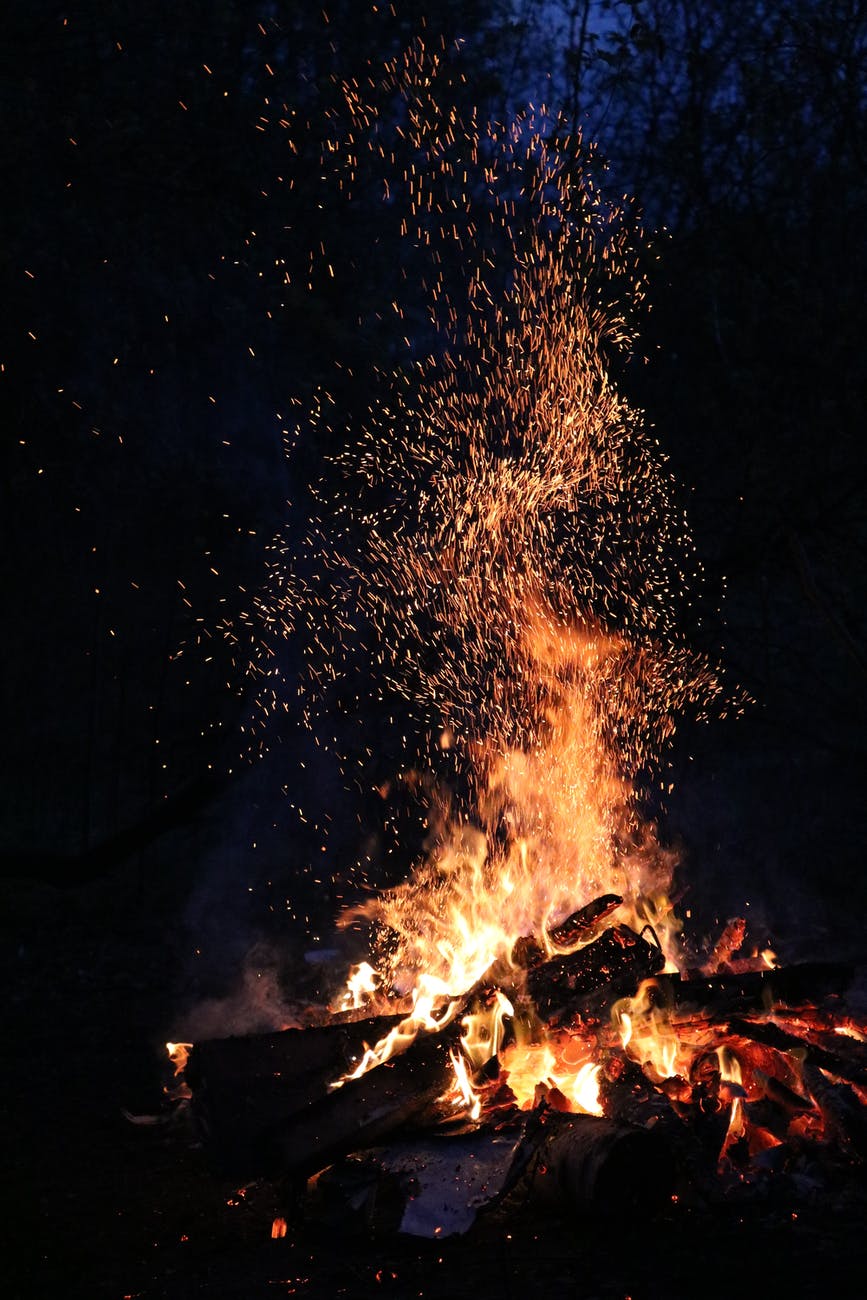
The four elements: earth, wind, fire, water in your writing can be exhilarating. They can be used to make your plots more interesting, your poetry more vivid.
The four elements can be nurturing, but they can also destroy. There is much possibility in these primitive forces. Fire, for instance, can be cleansing or destructive at the same time. The four elements can also be nurturing and life affirming. Seeds in the earth, when it meets water, can grow plants. There is a cycle of renewal.
Nature’s climate is disconnected from the political climate. Birds sing, regardless of the presidential elections. It’s grounding to go out and take a walk in nature and think about the universality of life, and you’re writing,
I recently began a narrative poem about what would happen if the earth started drowning, as they’re predicting it will. What if nature really went wild and the water flooded the earth?
My most recent collection of poems touched on the world of illness and alternate states of reality. Check it out:
#https://www.finishinglinepress.com/product/touch-my-head-softly-by-eileen-kennedy/
I will continue to blog announcements on Tuesdays, if I have one, and Thursdays for my regular blogs.
I am delighted to be included with more than 40 wonderful artists and writers in the new Forbes Library/Hosmer Gallery Exhibit: In This Together: A Virtual Exhibit on Planetary and Human Health running from July 5 to September 5, 2021.

Check out these wonderfully talented artists and writers:
Have you ever had the experience of finding someone who wrote a book on a similar topic to yours? It’s not exactly déjà vu, but there is definitely resonance there. I just published a collection of poems about my partner who died of Alzheimer’s and Dementia in his 60’s (Touch My Head Softly, Flutter Press, 2021.) and this book I discovered was about caring for an elderly mother with among other things, dementia (Why Is Grandma Naked?: Caring for Your Aging Parent,Kelsay Books, 2021.) The scenarios are not the same, but many similarities about caretaking and emotions in this situation are similar.
Author Ellen Pober Rittberg, playwright, talk-show host, attorney, writer, approaches the subject of caring for the aging family member, who wants to among other things, take off clothes in inappropriate situations, with humor and grace. My book of poems talks about, when my partner accuses me falsely of infidelity, of how to survive the ordeal of a loved-one in an altered state of reality.
Rittberg describes her journey with her mother as joyous, stressful, life-altering and worth every bit of energy because “we never know how long our parents will be with us.” My poetry is more a backward look at what went on to make sense of the experience. Rittberg talks about the nursing home dilemma, especially relevant post-pandemic, that she faced with her mother and family, My poems deal with the dilemma of the death.
Feel free to take a look at either or both books at:
#https://www.finishinglinepress.com/product/touch-my-head-softly-by-eileen-kennedy/


University Professors Press is proud to announce the release of A 21st Century Plague: Poetry from a Pandemic edited by Elayne Clift. This book is a powerful collection of poems about the Covid-19 pandemic. We will be hosting a book release celebration with a poetry reading on Facebook Live on Wednesday, June 30 at 5:00 PM PST/6:00 PM MST/ 7:00 PM CST/8:00 PM EST. Like the University Professors Press Facebook page to receive a notification when the event starts. Use coupon code “21cp_nr2021” at the University Professors Press website to receive a 10% discount on A 21st Century Plague. The coupon is also good for the Poetry, Healing, and Growth Book Bundle (12 books), including A 21st Century Plague.Read more at https://universityprofessorspress.com/new-release-a-21st…/#poetry#poetrylovers#poetryisnotdead#poetrycommunity#poems#COVID19#covid#pandemic#pandemicpoetry
Check out University Professors Press Facebook Page for link:

If you are a writer, and you want to publish, you have to submit your work to a publisher, a journal, a magazine, a website….If you submit, you will be rejected. No one who submits goes without this inevitable experience.
I recall reading Thor Heyerdahl’s account of his myriad rejections of Kon-Tiki. He said one editor wrote that no one would buy into an account of a crazy person sailing 5,000 miles across the Pacific in a hand-made raft and another who said no one was interested in Oceana or sailing anymore.
Rejection can be valuable. It can cause us to re-examine, refine and re-edit. Maybe it will make our work better. You can learn things about the market from rejection. How can you make it more universally appealing? Remember, rejection is not personal. It’s about the work, not you. The publisher doesn’t even know you.
Sometimes rejections are worthless. Just because a person is an editor does not mean they’re qualified to pass literary judgments. But if you keep getting the same criticism of a piece, a repetition, then maybe it is a valid criticism that you could heed and use to rewrite.
I once got so frustrated with rejections, I wrote a poem about it:
Villanelle for the Rejected Poet
The Exalted Society regrets to inform
That despite your verse’s abstruse plot
Your poem was rejected by the Writers Reform.
We do not understand your sonata-like form
Your work has no rhyme nor school of thought
The Exalted Society regrets to inform.
We do not like to discourage or misinform
Please with some other place find a spot
Your poem has been rejected by the Writers Reform.
Do not whine, criticize, or fill out a claim form
Your work left us confused and distraught
The Exalted Society regrets to inform.
Do send a check or cash with this subscription form
With your handiwork contact us not
Your poem has been rejected by the Writers Reform.
We publish all races, creeds, genders and artists’ forms
From everyone but you – we have got
The Exalted Society regrets to inform
Your poem was rejected by the Writers Reform.
Published in The Road Not Taken, Fall 2013

Writing is necessary for so many things. We need it to exist in the world.
At school, we are judged and given grades by how well we perform on paper. The academic essay is the ultimate test.
To communicate at a distance with friends and loved ones, we need to know how to write.
Writing falls into all genres. From realistic fiction to mysteries to sci-fi to poetry to academic papers, your writing is only limited by your imagination.
I have written in many genres. I am specializing in poetry these days. I recently published a collection of poems called Touch My Head Softly about my partner who died of Alzheimer’s. Take a look:
#https://www.finishinglinepress.com/product/touch-my-head-softly-by-eileen-kennedy/


Everyone has an inner critic. The inner critic is there to protect you from doing dangerous things. But it can also make us too cautious.But writing isn’t dangerous and we should learn to use our inner critic to help us write.
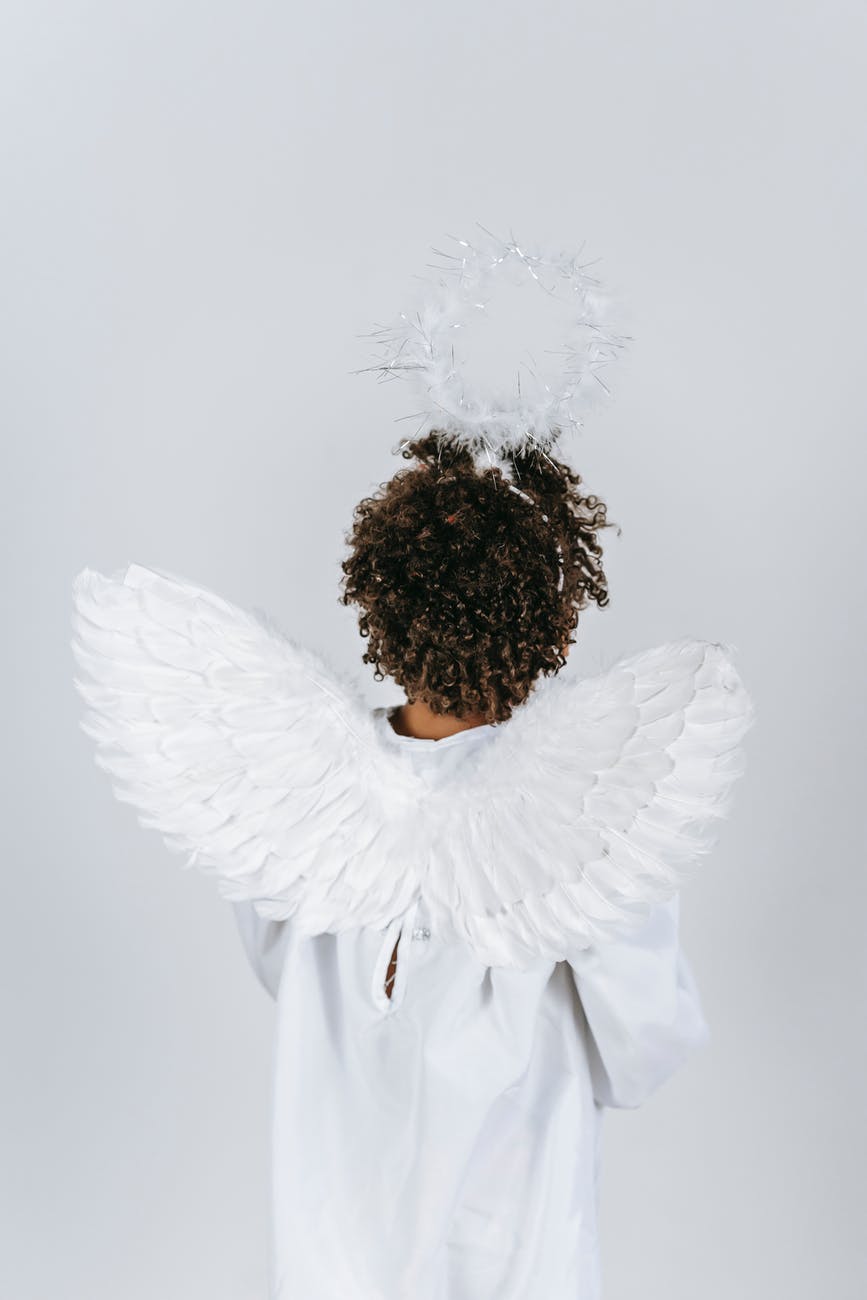
The inner critic serves as a guardian angel to keep you safe and doing something dangerous. When it comes to life and death situations, the anxiety from your inner critic causes you not to act. But you don’t need your inner critic to write.You need to act to write. Have your inner critic give you permission to write.
I just finished a book about my experiences with my partner who died of Alzheimer’s in his sixties (Touch My Head Softly, Finishing Line Press, 2021.) It was a hard book to write and i struggled with my inner critic. But the writer in me won out in the end.
Part of the proceeds of the book will go to the Alzheimer’s Association, so it’s all positive. Take a look:
https://www.finishinglinepress.com/product/touch-my-head-softly-by-eileen-kennedy/
 Eileen P. Kennedy Author