https://www.kathrynholzman.com/news/straw-dogs-author-showcase-2021
Join me and 11 other Western Massachusetts Writers for the 7th Annual Straw Dog Writers Showcase at 6:30 pm tomorrow. Follow the link to register

https://www.kathrynholzman.com/news/straw-dogs-author-showcase-2021
Join me and 11 other Western Massachusetts Writers for the 7th Annual Straw Dog Writers Showcase at 6:30 pm tomorrow. Follow the link to register
Writer’s block, or when an author is unable to produce new work, happens to all writers.

Try writing something of special interest to you. Write down all the primary ideas you’d like to write and then write the smaller ideas that make up the big ideas. Then write an outline of these ideas.
Now you have an outline that is a starting point. Research your topic.
Now you have an outline and some new thoughts to add to your outline. When I wrote my most recent collection of poems, when I was blocked, I started reading other formal poetry forms. I would take a concept I wanted to write a poem about, I’d choose a form and try to
follow the form into the idea. Either the form would work, like a narrative poem, a haiku, or a pantoum, or I would write outside of the form and wind up with a draft of a new poem.
Check out my new collection here:
Touch My Head Softly by Eileen P. Kennedy
Join me and many other artists and writers for the closing reception of this amazing visual art, poetry, prose and video exhibit by Western Massachusetts Authors and Artists on August 31 at 6:30 p.m. Go to the link below to get the link to the reading.
https://forbeslibrary.libcal.com/event/7842100
I’m on vacation for the rest of August. I will resume my blog on Thursdays, my announcements on Tuesdays, on September 2.
The difference I have noticed between successful writers who publish and people who want to be writers is the time commitment. The successful writer takes his/her writing seriously and carves out time daily to write.

The successful writer is disciplined about writing, if not daily, at regular intervals, and sticks to that schedule. We all go through periods of vacation, periods of time devoted to family and friends, but within those diversions, the writer has discipline about devoting time to the craft.
Never assume that something will get done because you’ve told yourself it will. Have a disciplined approach, and rely on writing groups, calendars, schedules, good word processing systems, in other words, the tools of the trade in good order. Then sit down and write.
It took me ten years to write my most recent collection, but I finished and published it. Take a look:
https://www.finishinglinepress.com/product/touch-my-head-softly-by-eileen-kennedy/
I will blog regularly on Thursdays.
Storytelling, an ancient art form, allows writers to make sense of the world and derive deeper meaning from their lives since the beginning of human history.
Storytelling takes practice and there are things you can do to improve your technique. You want to have clarity when you tell a story. It should have a central theme and you should keep your eye on that theme as you go along. If you want to tell an engaging story, keep the tension up to the end. Be clear about the plot point that builds the story.
Great literature is crafted around characters that have great obstacles in their way, and eventually overcome them. You must embrace conflict if you want to engage your readers.
A good story has a beginning, middle and ending. A successful story might start with an inciting incident, lead into accelerated action, build to a climax and resolve. A good path to becoming a good storyteller is to read good storytellers. A good writer reads a lot. There’s a reason The Illiad and the Odyssey are still read after centuries of being told and written.
Observe good storytellers. See how they engage their audiences. This can be a family member who weaves tales of ancestors or a politician who engages the public
While reading other writer’s stories is essential, it’s also important to draw on your own experiences. This way your stories will ring true. Be an observer and use those observations. If you can’t use your recall for details, go research and re-experience. I recently revisited three locales I’m writing a story about: New York City, the Nevada desert, and the mountains of Costa Rica.
What places do you write about?
They say a journey of a thousand miles starts with a single step. I often think of the writing process when I hear that old adage. Writing can seem laborious when we proofread, edit, revise. These are the mundane parts of the process. The joy, for me, is in the creation, but that’s only one stage of the writing process.

So try to enjoy the journey, and not just the final, published product. Writing groups can help as you can share your writing with others and self-edit along the way. Writing is an isolating activity and a group of writers can help with the isolation. You can also get good suggestions from fellow writers.
Readings can help also. Reading a work in progress can help to get feedback and it also helps to hear your work aloud. Samuel Butler says “I feel weak places at once when I read aloud where I thought, as long as I read to myself only, that the passage was alright…” The act of reading, line for line, can help the writer focus in a way that just rereading again can’t.
It took me ten years to write my most recent collection of poems, Touch My Head Softly (Finishing Line Press, 2021.) I kept starting and stopping, but reading the poems aloud in writing groups helped to keep me going. The members of my group also encouraged me to publish, which I eventually did.
Check out the collection at:
#https://www.finishinglinepress.com/product/touch-my-head-softly-by-eileen-kennedy/
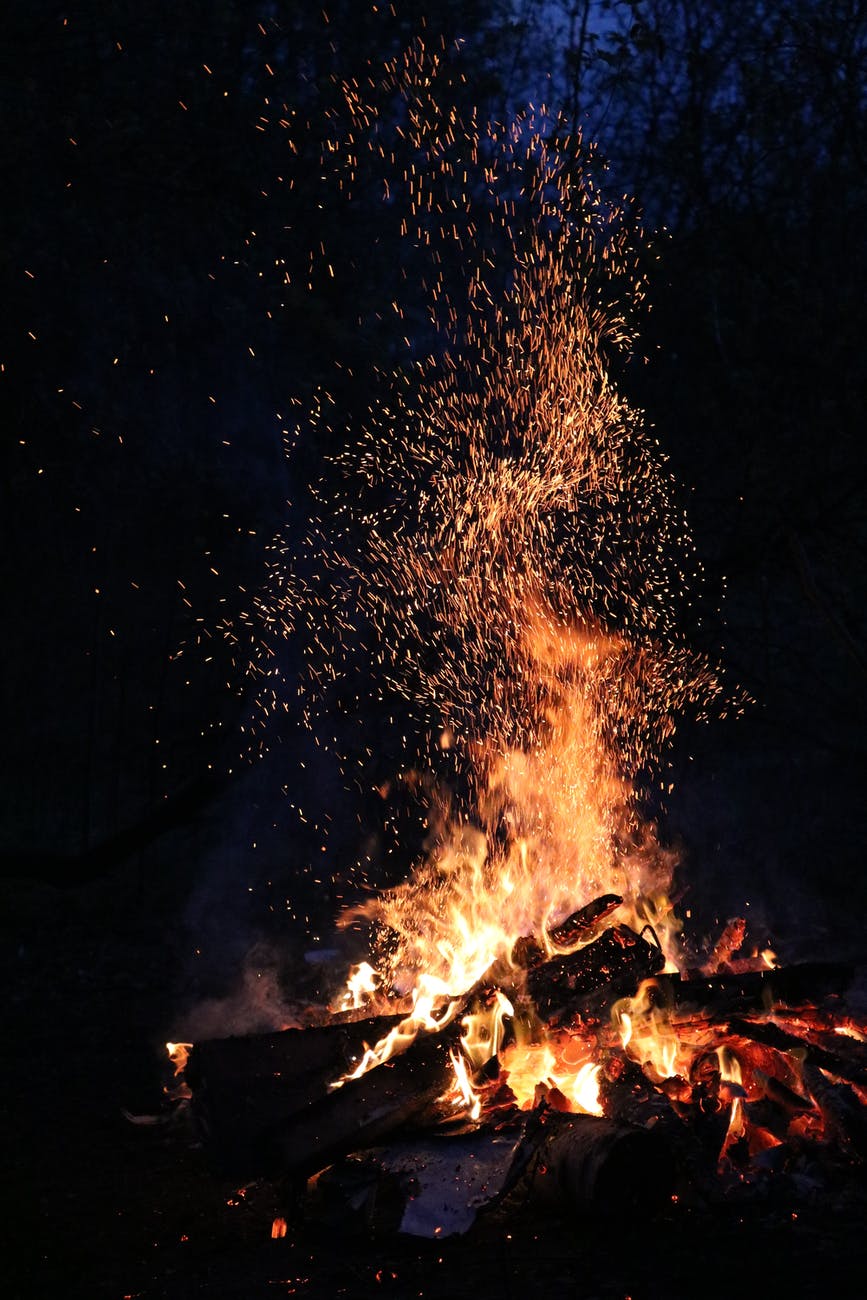
The four elements: earth, wind, fire, water in your writing can be exhilarating. They can be used to make your plots more interesting, your poetry more vivid.
The four elements can be nurturing, but they can also destroy. There is much possibility in these primitive forces. Fire, for instance, can be cleansing or destructive at the same time. The four elements can also be nurturing and life affirming. Seeds in the earth, when it meets water, can grow plants. There is a cycle of renewal.
Nature’s climate is disconnected from the political climate. Birds sing, regardless of the presidential elections. It’s grounding to go out and take a walk in nature and think about the universality of life, and you’re writing,
I recently began a narrative poem about what would happen if the earth started drowning, as they’re predicting it will. What if nature really went wild and the water flooded the earth?
My most recent collection of poems touched on the world of illness and alternate states of reality. Check it out:
#https://www.finishinglinepress.com/product/touch-my-head-softly-by-eileen-kennedy/
I will continue to blog announcements on Tuesdays, if I have one, and Thursdays for my regular blogs.
I am delighted to be included with more than 40 wonderful artists and writers in the new Forbes Library/Hosmer Gallery Exhibit: In This Together: A Virtual Exhibit on Planetary and Human Health running from July 5 to September 5, 2021.

Check out these wonderfully talented artists and writers:

 Eileen P. Kennedy Author